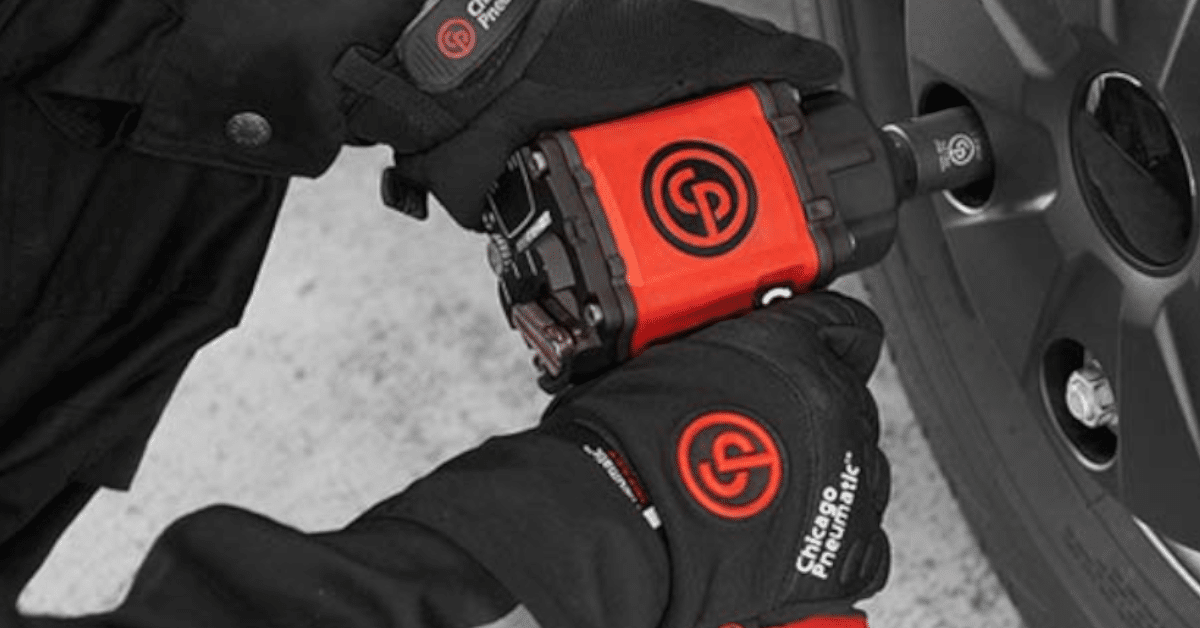
Choose the Best Impact Wrench for Your Application
From Compact Stubby to Heavy-Duty High-Torque: The Ultimate Buyer’s Blueprint
An impact wrench is a fundamental power tool designed to handle the critical task of tightening or loosening threaded fasteners. From swapping assemblies in automotive service bays to executing heavy-duty structural maintenance on industrial oil platforms, having the right impact mechanism makes all the difference.
The core operating principle relies on an internal hammer, anvil, and spring mechanism. As the tool’s motor spins, it builds up rotational energy and unleashes it through sudden, powerful blows against the output shaft (the anvil), generating incredible torque output.
However, with battery, electrical, and pneumatic options available, finding a one-size-fits-all solution is impossible. To optimize your shop floor efficiency and keep your workforce safe, Pneumatics Now has broken down the core factors you must consider when selecting your next industrial impact wrench.
1. Assess Your Workspace Power Source
Before diving into technical specifications, evaluate your physical working environment. Do you have a dedicated, stable compressed air line system built for pneumatic tools, or do your operators require the untethered mobility of high-performance battery-powered tools? Matching the power infrastructure to the environment is step number one.

Explore Our Range of Pneumatic & Battery Impact Wrenches
2. Evaluate Material: Metal vs. Composite Construction
Tool material heavily dictates the balance between durability and handling over an eight-hour shift:
- Metallic Housings: Incredibly robust and capable of surviving brutal drops, but they add substantial weight to the tool.
- Composite Bodies: Significantly lighter and more maneuverable, reducing operator strain. Thanks to modern material engineering, industrial-grade composites offer high mechanical strength and serve as excellent alternatives to solid metal.
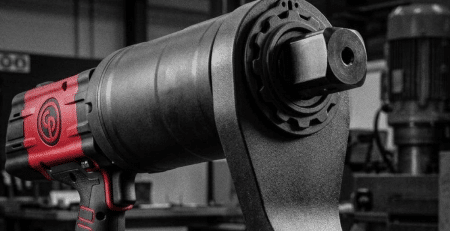
Pro-Tip: Remember that the tool’s body and its front clutch housing can be made of different materials. When comparing models, always check which sections are metal and which are composite. As a rule of thumb, heavy-duty impact wrenches larger than 3/4″ drive are primarily constructed entirely of metal.
3. Target the Right Torque Levels
To protect your tools from burning out, always select an impact wrench with a manufacturer-rated maximum torque that is superior to the torque required by your application. When browsing tool specifications, pay attention to how the torque ranges are classified:
- Optimal Torque Range: The sweet spot where the tool operates at maximum efficiency. This is the range you should target for intensive, continuous-duty assembly work.
- Working Torque Range: Ensure your everyday baseline tightening requirements fit comfortably within this middle range.
- Maximum Torque: If your daily tasks require frequently hitting the tool’s absolute upper limit, you should step up to a more powerful tool platform to preserve operator comfort and productivity.
Be careful with overtightening. In applications like automotive or heavy truck tire service, precision torque control is non-negotiable. Utilizing impact tools equipped with torque-limited features, coupled with final verification from a manual torque wrench, will optimize your workflow without stretching studs or stripping threads.
4. Review Your Bolt and Drive Square Sizes
The physical drive square size (3/8″, 1/2″, 3/4″, or 1″) must match the diameter of the fasteners you are spinning. If the drive square is too small for a heavy industrial thread, the rotational stress will quickly snap the anvil. Conversely, forcing an oversized, high-power anvil onto a small screw will instantly shear the fastener.

Browse Industrial Shock-Resistant Impact Sockets & Sets
5. Prioritize Ergonomics, Noise, and Vibration
A tool’s ergonomics directly control user safety and operational output. A well-balanced center of gravity and an ergonomic handle shape allow operators to maintain control over extended periods without experiencing severe muscle fatigue.
Furthermore, you must audit sound and vibration ratings:
- Noise Levels (ISO 15744): Lower decibel ratings dramatically increase workplace safety. Operators using smaller impact wrenches (under 3/4″ drive) are typically much more sensitive to high-frequency exhaust noise.
- Vibration Levels (ISO 28927): Minimizing vibration protects users from long-term neurological and vascular strain. On massive industrial wrenches (above 3/4″ drive), managing vibration exposure is critical, and safety can be further enhanced by supplying teams with specialized vibration-absorbing work gloves.
Upgrade to Ergonomic, Low-Vibration Chicago Pneumatic Tools
Summary: Test Before You Invest
Selecting the perfect impact wrench requires balancing power requirements, construction materials, drive sizes, and ergonomic certifications. However, numbers on a data sheet only tell part of the story. Ensure complete compatibility with your shop floor’s environment.
Ready to Upgrade Your Assembly and Maintenance Fleet?
Don’t compromise on torque or safety. As an authorized Chicago Pneumatic dealer, the technical team at Pneumatics Now is standing by to match your workshop to the ultimate impact wrench and air line configuration.
Contact Us Today: Fill out our quick online inquiry form, email us at [email protected], call us at (888) 416-8714, or explore our digital storefront to place your order directly through our website!