Select the Right Air Motor for Your Industrial Application
Vane, Piston, or Gear? How to Match Motor Design to Your Torque, Speed, and Duty Cycle Demands
Air motors are highly valued by Original Equipment Manufacturers (OEMs) and machine builders because they offer a simple, exceptionally reliable source of power. They are compact yet powerful, incredibly rugged, and inherently safe to use in hazardous environments where electric sparks pose a risk.
However, with hundreds of configurations available across the industry, finding the exact air motor that maximizes efficiency for your specific application can feel like a challenge.
Historically, selecting the right motor has been a time-intensive, manual engineering task. It required calculating required power, plotting a custom power curve, and locating your precise operating point, a process that could easily take an hour, with another one to two hours spent fine-tuning the physical installation.
To help speed up your workflow, Pneumatics Now has compiled the top five factors you need to evaluate when specifying a Chicago Pneumatic air motor.
1. Define Torque, Speed, and Power Requirements
To size an air motor correctly, you need to understand its output dynamics under load. You do not need to know every single metric to start; if you know any two out of the three primary parameters (Torque, Speed, or Power), the third can be mathematically calculated. To make your selection precise, try to identify:
- Operating Speed vs. Free Speed: The speed the motor turns under normal load versus its maximum speed with zero resistance.
- Operating Torque, Starting Torque, and Stall Torque: The turning force needed during continuous operation, the high torque required to break friction from a dead stop, and the load threshold where the motor will completely stall.
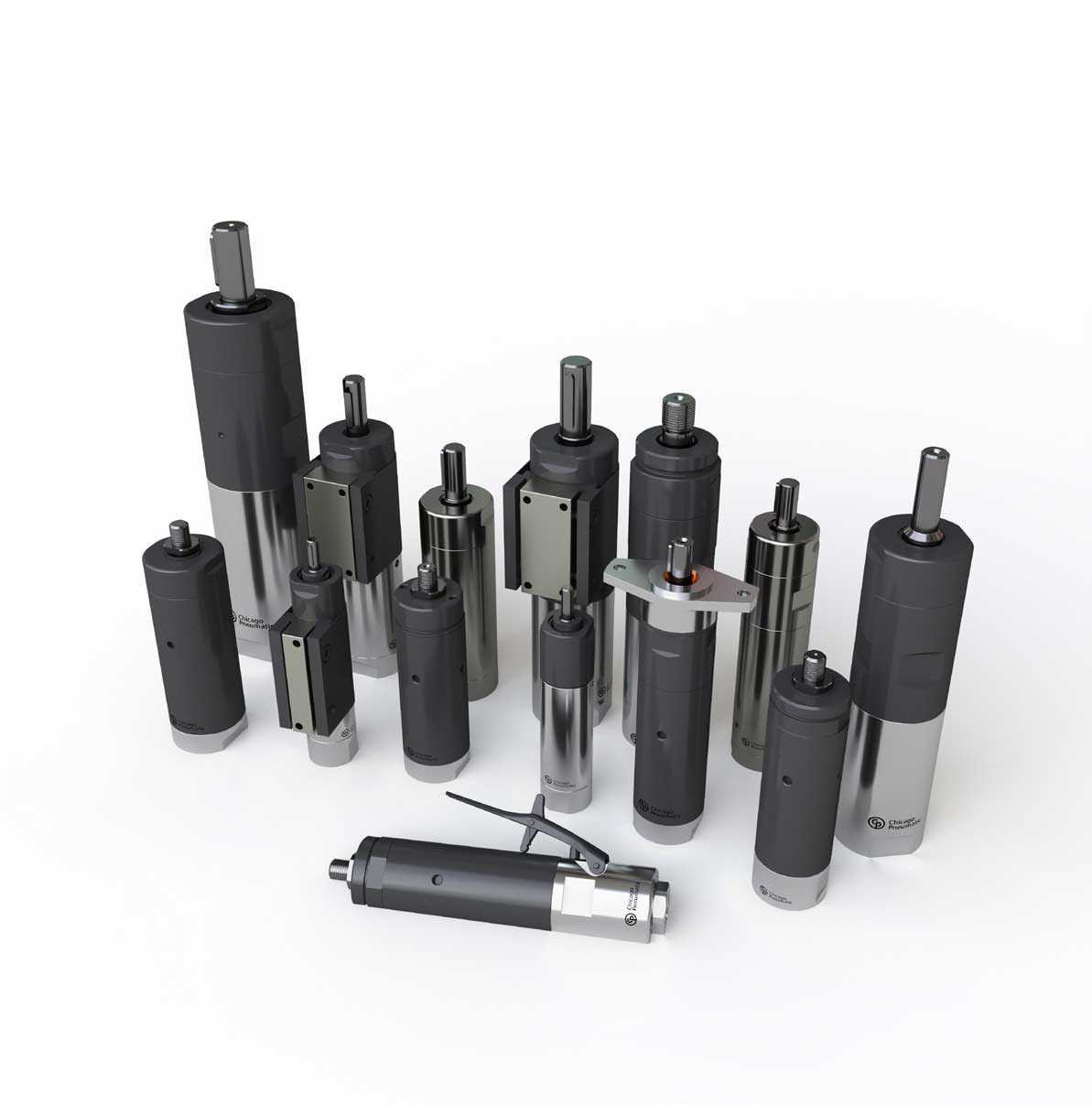
View High-Performance Chicago Pneumatic Air Motors
2. Choose the Correct Shaft Configuration
Your air motor must interface perfectly with your existing machinery, pumps, or gearboxes without slipping. Depending on how the load is being transferred, you will need to specify the correct shaft end type:
- Keyed Shafts: Ideal for standard pulley, sprocket, or rigid coupling setups.
- Threaded or Hexagonal Shafts: Frequently used in custom mixing, agitation, or specialized tooling assemblies.
- Square Shafts: Common in heavy-duty mechanical driving applications.

Explore Air Motor Shaft Options and Accessories
3. Evaluate Your Environmental Conditions
Because air motors expand compressed air to generate motion, they naturally run cool and eliminate the risk of electric arcing. However, your physical environment dictates the motor’s outer construction material:
- Sanitary Environments: If your application is in the food, beverage, pharmaceutical, or chemical industries where hygiene is critical, you must specify a stainless-steel air motor to prevent rust and chemical contamination.
- Hazardous Environments: For operations with volatile gases or combustible dust, you will need an ATEX-certified motor. Chicago Pneumatic air motors are natively certified for ATEX Zone 2 hazardous areas because they generate zero electrical heat or friction sparks.
4. Determine the Direction of Rotation
Air motors are built to spin in fixed or adaptable configurations depending on the mechanical task. You must choose between:
- Clockwise (Single Direction): Optimized for applications like continuous fans or unidirectional pumps.
- Reversible: Essential for automated machinery, indexing tables, and valve actuators that require alternating cycles.
5. Utilize Digital Selection Tools to Eliminate Human Error
The fastest way to bypass an hour of manual graphing is to use a digital air motor selection tool. By entering your baseline torque, speed, shaft type, and body material, a digital selector automatically analyzes the manufacturer’s performance curves to find your perfect working point.
Not only does this eliminate the risk of human calculation errors, but it also recommends vital system accessories like mounting flanges, silencers/mufflers, and chucks to complete your installation safely.
Summary: The Chicago Pneumatic Air Motor Range
Taking the time to precisely size your air motor protects your machinery, cuts down on setup downtime, and reduces your long-term energy bills by ensuring you aren’t feeding an oversized, wasteful motor.
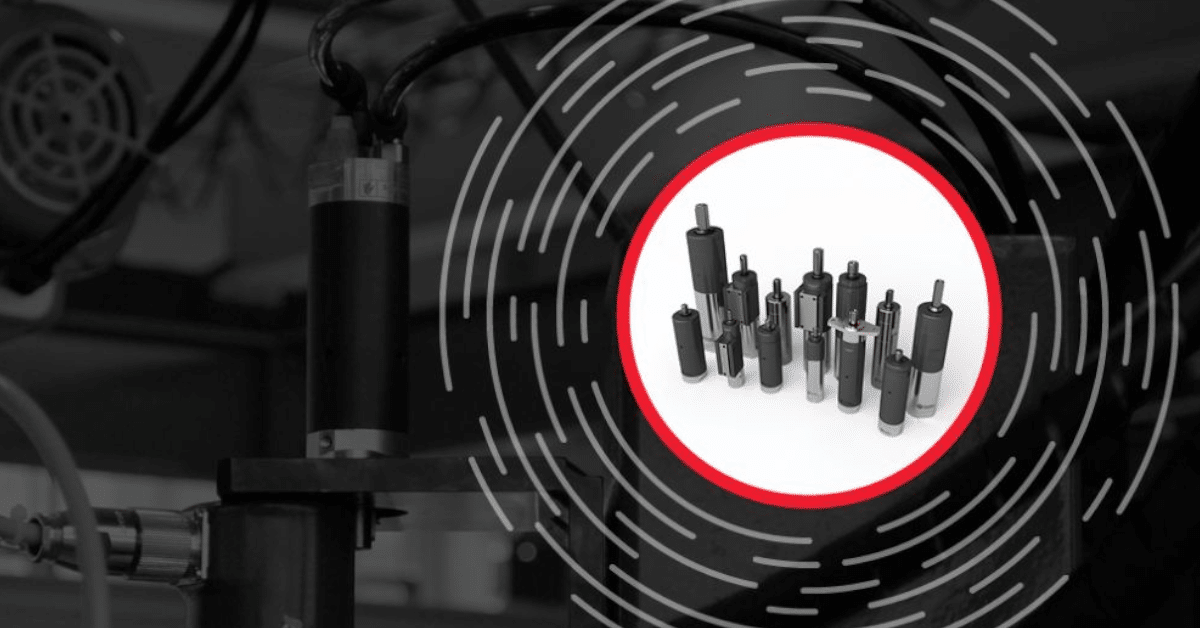
The standard Chicago Pneumatic air motor lineup features nine core power platforms delivering configurations from 0.16 kW (0.21 HP) up to 1.8 kW (2.45 HP), output torques reaching 299 Nm (221 ft-lbs), and rotational speeds maxing out at 21,500 RPM.
Need Help Sizing Your Next Air Motor Build?
Don’t get bogged down. As an authorized Chicago Pneumatic dealer, the sales team at Pneumatics Now is ready to help you match your machine specs to the perfect air motor package.
Contact Us Today: Fill out our online inquiry form, email us at [email protected], call us at (888) 416-8714, or browse our digital store to request a custom air motor quote directly through our website!