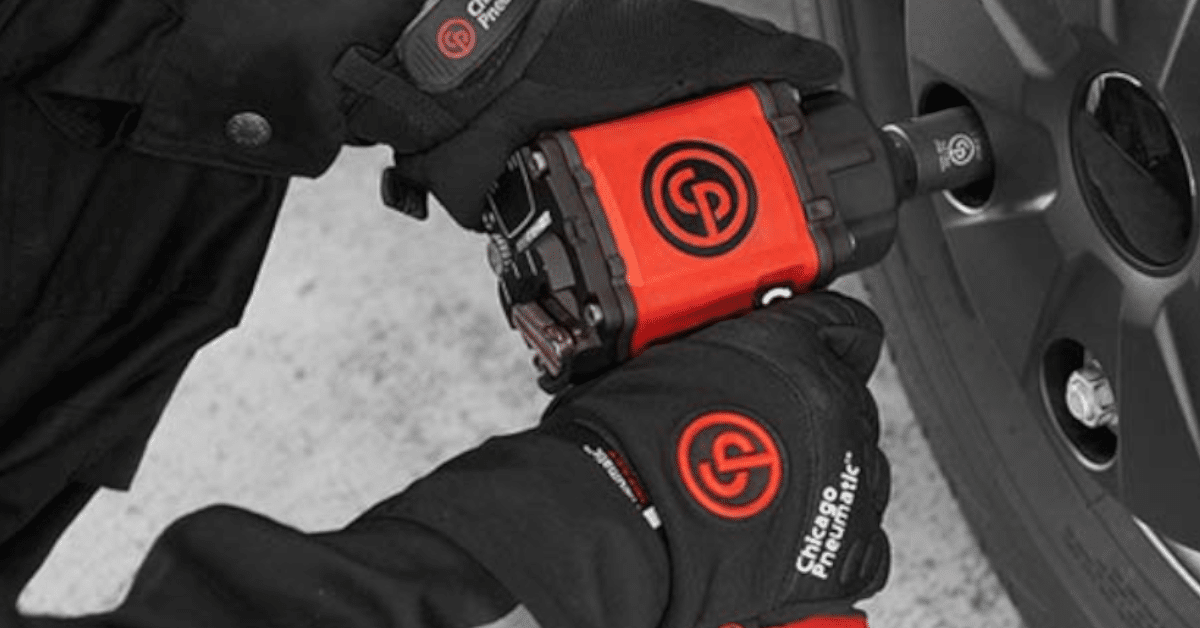
Torque Wrench: Getting the Exact Right Amount of Force
From Stripped Threads to Blown Gaskets: How to Match Wrench Types to Your Target Specs
When it comes to fastening bolts and nuts in automotive or industrial maintenance, there is a golden rule: “Not too loose, not too tight, just get it right!”
Original equipment manufacturers explicitly calculate and specify the exact tightening value for every single fastener on a vehicle or machine structure. They do this for one primary reason: Safety. Whether you are changing a tire or doing critical engine repair, it is the mechanic’s responsibility to ensure complete compliance with those manufacturer specifications. The only way to guarantee that compliance is by finishing the job with a high-precision torque wrench.
As an authorized Chicago Pneumatic dealer, Pneumatics Now has broken down the real-world structural risks of guessing your torque levels, and how to choose the right tool to protect your shop floor.
The Dangerous Risks of Side-Stepping the Torque Wrench
Relying purely on an impact wrench or human guesswork to snug down a fastener introduces two major structural hazards:
1. Under-Tightening (Too Loose)
If you fail to apply enough torque when tightening a bolt, the joint will lack the necessary clamping force. Over time, the continuous vibrations from the road or operating machinery create a severe risk that the bolt or nut will spontaneously unscrew down the line. This is the leading cause behind roadside wheel-off accidents.
2. Over-Tightening (Too Tight)
Applying too much force is equally dangerous. Overtightening exerts excessive tension that can compress, bend, or permanently warp the bolted components. If pushed past its structural yield point, the bolt shank will suffer a catastrophic fracture, causing the entire assembly to break apart under load.
Manual vs. Pneumatic: Choosing the Right Tool Style
Depending on the scale of your operations, you will generally choose between two core torque wrench designs:
Manual Torque Wrenches
- The Best Fit: Ideal for light vehicle maintenance, automotive service bays, and general workshop applications.
- The Benefits: Manual click-style wrenches are highly accessible, easy to use, and comfortably cover the vast majority of everyday precision fastening tasks.
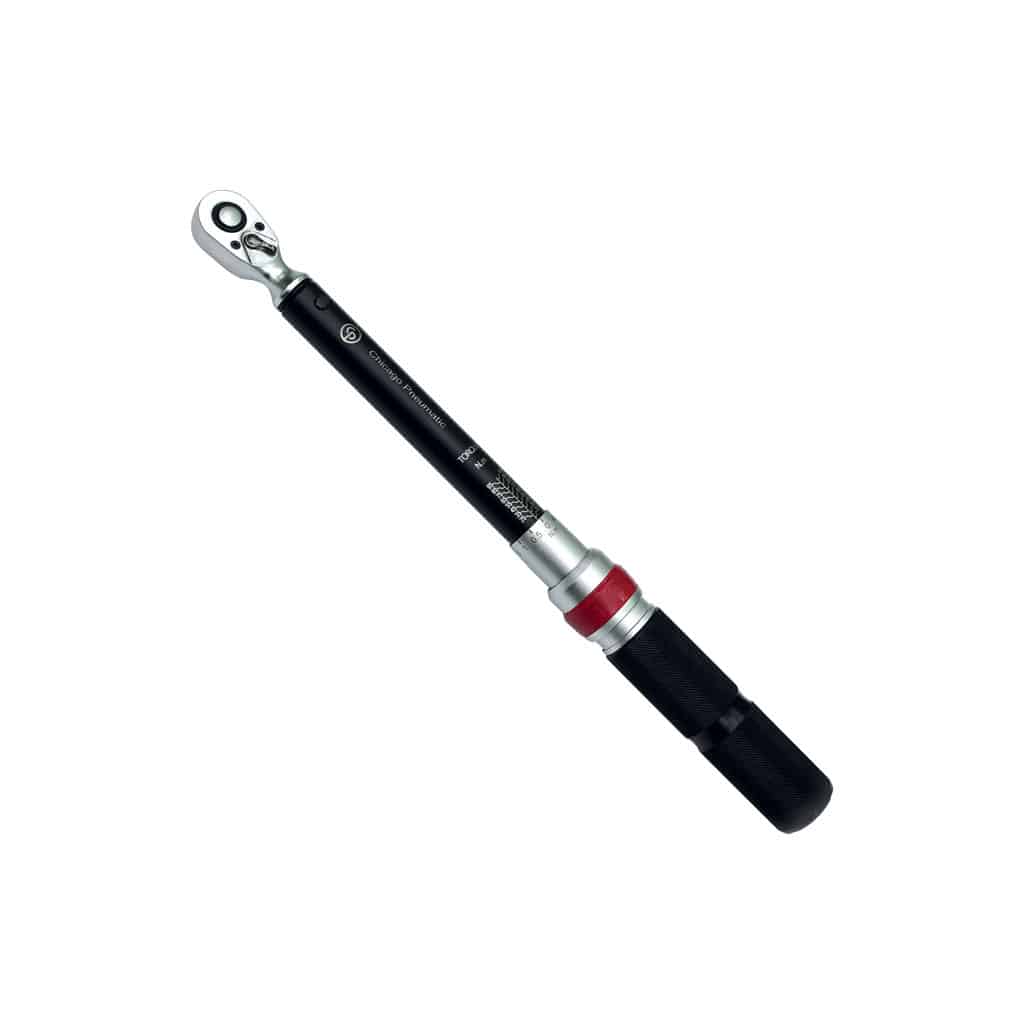
Shop Premium Chicago Pneumatic Manual Torque Wrenches
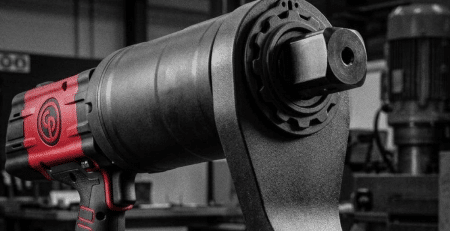
Pneumatic Torque Wrenches (Stall Torque Tools or Shut-Off Nutrunners)
- The Best Fit: Engineered for heavy vehicle maintenance, fleet truck tire service, construction equipment maintenance, and massive industrial load profiles.
- The Benefits: This is the most advanced fastening solution available. Because pneumatic torque wrenches represent a higher initial financial investment than manual options, they are typically integrated into heavy-duty workflows requiring torque ratings of 516 ft-lbs (700 Nm) and above.
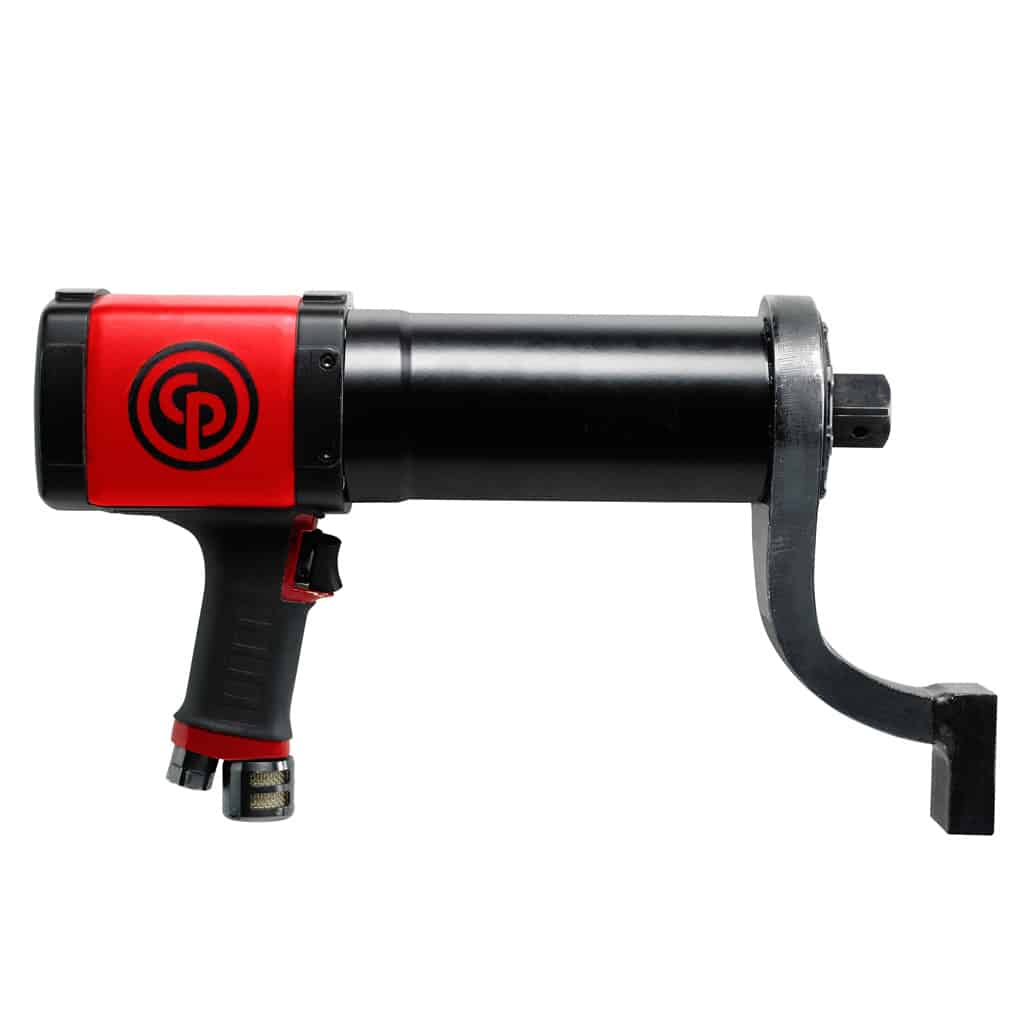
Browse Industrial Torque Wrenches & Nutrunners
What to Look for When Specifying a Torque Wrench
No matter which style your application demands, the absolute most important factors to evaluate are the quality, build integrity, and certified accuracy of the tool.
- For Manual Tools: Always verify that the manual wrench explicitly complies with the ISO 6789:2003 international standard, which ensures the tool’s calibration sequence meets rigorous industrial benchmarks. Every quality wrench you purchase should always ship with an official calibration certificate directly from the manufacturer.
- For Pneumatic Tools: Closely audit the mechanical durability of the construction materials, paying specific attention to the strength of the torque reaction bar. High-performance pneumatic models should reliably deliver a minimum of 8,000 operational cycles before requiring their first scheduled maintenance interval. Finally, never overlook user ergonomics—evaluate the tool’s physical weight and grip comfort to prevent long-term operator fatigue.
View the Chicago Pneumatic Torque Range
Summary: Precision Controls Your Liability
Skipping a precision torque check leaves your work entirely up to chance. By matching your facility’s torque demands to either a certified manual wrench or a high-torque pneumatic nutrunner, you ensure total structural safety, eliminate structural joint failures, and protect your clients down the road.
Upgrade Your Quality Control with Pneumatics Now
Ready to eliminate guesswork and protect your shop’s reputation? The sales team at Pneumatics Now can help you select the pneumatic torque tools required to hit your factory compliance specs cleanly.
Contact Us Today: Fill out our quick online inquiry form, email us at [email protected], call us at (888) 416-8714, or explore our digital storefront to place your order directly through our website!